Electric rooflights are becoming increasingly popular for their ability to enhance interior spaces. They serve as striking design elements that invite natural light while creating an open atmosphere.
Beyond aesthetics, these installations offer numerous functional benefits, such as improving mood and productivity. Their energy-efficient features and customizable controls further elevate their appeal.
As the conversation shifts towards modern living solutions, the advantages of electric rooflights warrant closer examination. What transformations might they bring to your space?
Electric rooflights enhance the aesthetic appeal of any space by seamlessly blending functionality with design. These architectural features create a striking focal point, allowing natural light to flood in while maintaining an elegant appearance.
Available in various styles and materials, electric rooflights can complement both modern and traditional interiors. Their sleek lines and minimalist design contribute to an open, airy ambiance, transforming ordinary spaces into visually stunning environments.
Additionally, the ability to control light levels adds versatility, making it easy to adjust the atmosphere. Ultimately, electric rooflights serve as a perfect marriage of beauty and practicality, elevating the overall design of any setting.
As natural light pours through electric rooflights, it greatly influences mood and productivity within a space. Studies indicate that exposure to natural light can enhance cognitive function, leading to improved focus and creativity.
The bright, uplifting ambiance created by sunlight fosters a positive atmosphere, reducing feelings of fatigue and stress. In workplaces, employees benefit from increased motivation and engagement, resulting in higher overall performance.
Additionally, the ability to control light levels through electric rooflights allows for customization, catering to individual preferences and tasks. This adaptability contributes to a more dynamic and invigorating environment, ultimately enhancing the quality of life indoors.
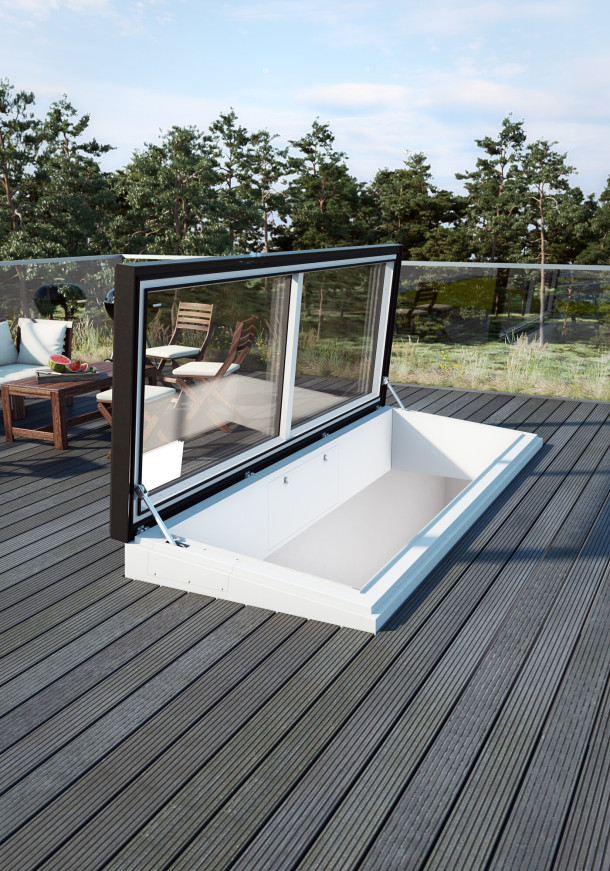
While maximizing natural light with electric rooflights can considerably enhance indoor environments, it also offers notable benefits in energy efficiency and cost savings. By harnessing daylight, these rooflights reduce reliance on artificial lighting, leading to lower electricity bills.
Furthermore, improved insulation properties can help maintain ideal indoor temperatures, further decreasing heating and cooling costs. The integration of smart technology allows for the automatic adjustment of light levels, minimizing energy wastage.
Consequently, the long-term financial advantages become evident, as property owners experience reduced utility expenses and potentially increased property value, making electric rooflights a wise investment for both efficiency and sustainability.
When considering the advantages of electric rooflights, one of the standout features is their versatile control of both light and ventilation. These systems enable users to adjust the amount of natural light entering a space, enhancing comfort and reducing glare.
Additionally, electric rooflights can be programmed to open and close, allowing for ideal airflow and temperature regulation. This dual functionality not only promotes a healthier indoor environment but also helps manage energy consumption effectively.
By integrating smart technology, users can easily customize settings, ensuring a perfect balance between brightness and fresh air, tailored to specific needs throughout the day.
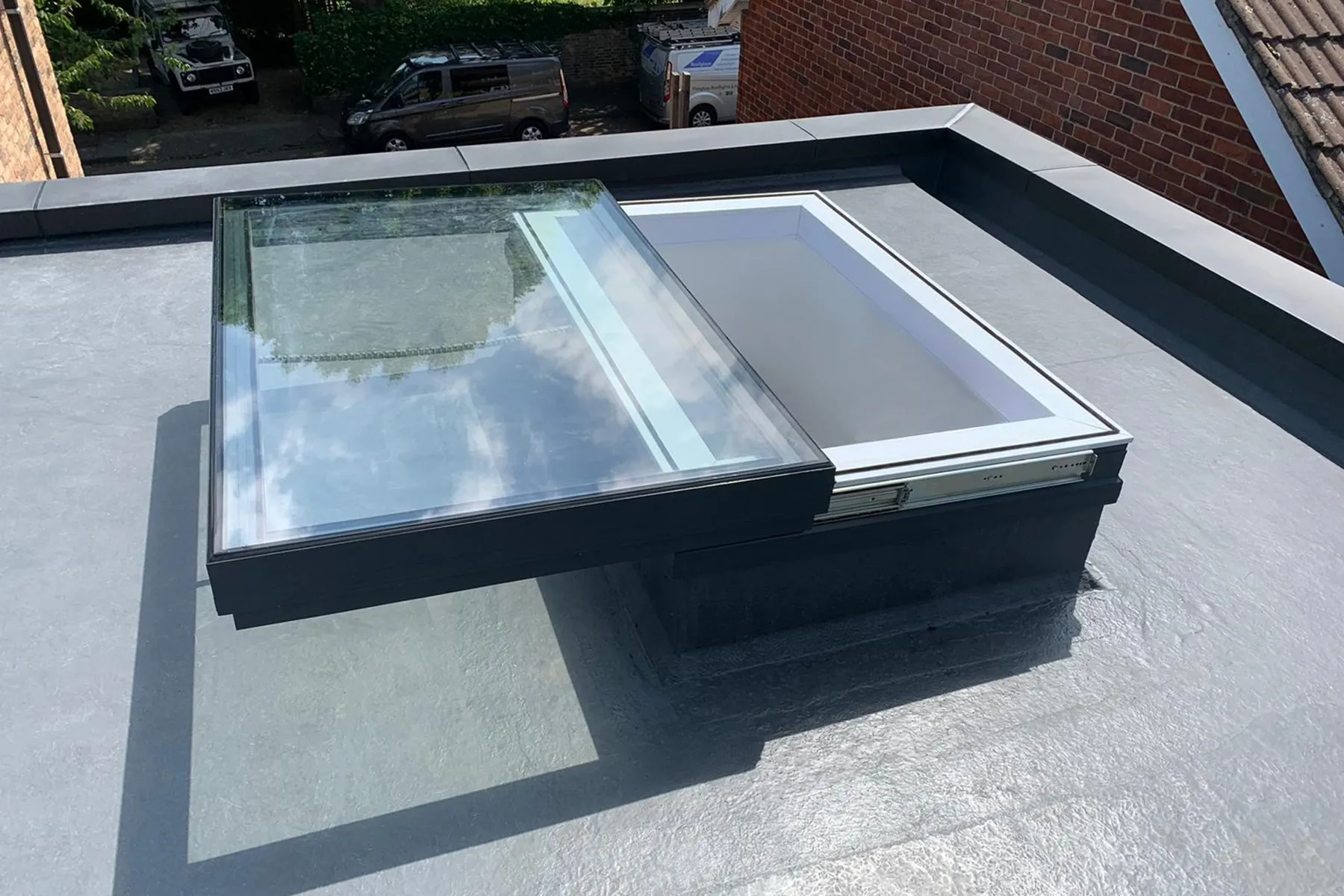
The effectiveness of electric rooflights in enhancing natural light and ventilation hinges considerably on their installation and design. Proper placement is essential; rooflights should be positioned to maximize sunlight exposure while avoiding glare.
The size and shape must complement the existing architecture, guaranteeing harmony with the overall design. Additionally, selecting high-quality materials that offer thermal insulation can improve energy efficiency. Integrating automated controls enhances functionality, allowing users to adjust light levels easily.
It is also important to take into account local building regulations and structural integrity during installation to ascertain safety and compliance, ultimately leading to a successful and aesthetically pleasing outcome.
Electric rooflights have the power to transform spaces dramatically, as evidenced by numerous real-life applications. In residential settings, homeowners have reported brighter, more inviting living areas after installation, enhancing both aesthetic appeal and mood.
Commercial buildings also benefit; office environments with electric rooflights often experience increased productivity due to improved natural light. Restaurants have utilized these features to create vibrant atmospheres, attracting more patrons.
Additionally, educational institutions have implemented rooflights to foster a stimulating learning environment. The versatility of electric rooflights showcases their ability to not only enhance visual appeal but also promote well-being and functionality across various spaces.
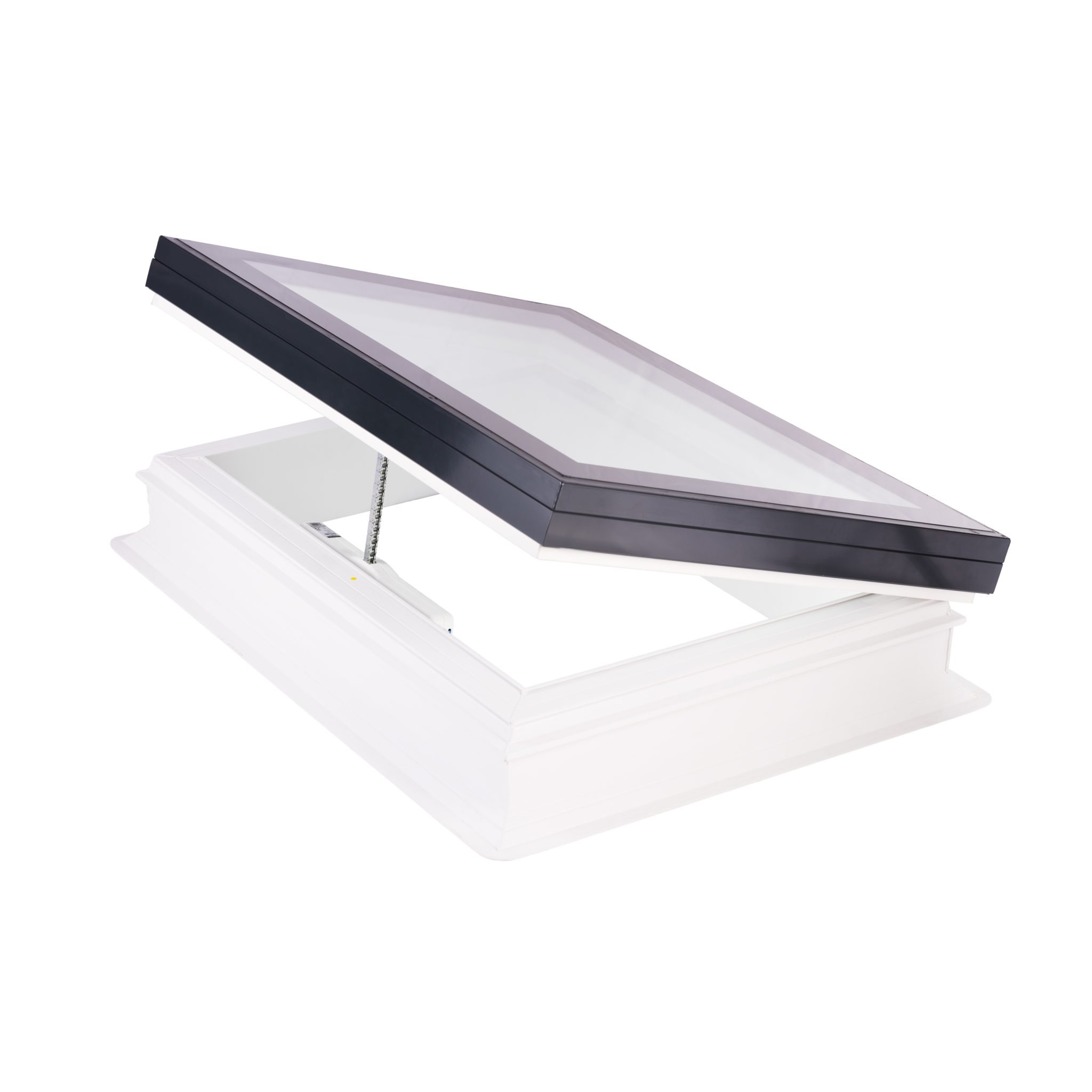
Electric rooflights can indeed be installed in existing structures, provided certain conditions are met. Structural integrity and roof design are essential factors to take into account during installation. Professionals often assess the building's framework to guarantee compatibility and safety. Modifications may be required to accommodate the electric mechanisms and secure proper sealing against weather elements. Ultimately, with careful planning and expert guidance, integrating electric rooflights into existing buildings can enhance natural lighting effectively.
Yes, there are often tax incentives available for installing electric rooflights, particularly when they contribute to energy efficiency improvements. Many regions offer tax credits, rebates, or deductions for energy-efficient home upgrades, which can include electric rooflights. Homeowners should check local and federal programs, as these incentives vary widely. Consulting with a tax professional or energy auditor can also provide clarity on potential savings associated with such installations.
Electric rooflights are generally safe during severe weather conditions if properly installed and maintained. They are designed to withstand strong winds and heavy rain, featuring durable materials that enhance their resilience. However, the level of safety can depend on the quality of the installation and the specific design of the rooflight. Homeowners should verify that their electric rooflights are certified for their local weather conditions and conduct regular inspections to confirm functionality and safety.