The future of food packaging is evolving rapidly. Innovative materials and technologies are reshaping how products are packaged and presented in grocery aisles.
Sustainability is becoming a central focus, with biodegradable and edible options gaining popularity. Smart packaging promises to enhance food safety and freshness. As these trends emerge, they challenge traditional practices.
What implications do these changes hold for consumers and the environment? The answers may redefine our shopping experiences.
Sustainable packaging plays an essential role in mitigating environmental challenges, as its adoption can greatly reduce waste and resource consumption. By prioritizing materials that are recyclable, compostable, or made from renewable sources, companies can substantially lessen their ecological footprint. This shift not only addresses the growing issue of plastic pollution but also conserves natural resources, contributing to a more circular economy.
Furthermore, sustainable packaging often encourages innovation in design and materials, prompting the development of smarter, more efficient packaging solutions. These advancements may include reduced packaging sizes and optimized supply chains, ultimately lowering carbon emissions.
As consumers become increasingly environmentally conscious, businesses that embrace sustainable practices can enhance their brand reputation and customer loyalty. To sum up, the importance of sustainable packaging lies in its potential to create a healthier planet while simultaneously driving industry growth and consumer engagement.
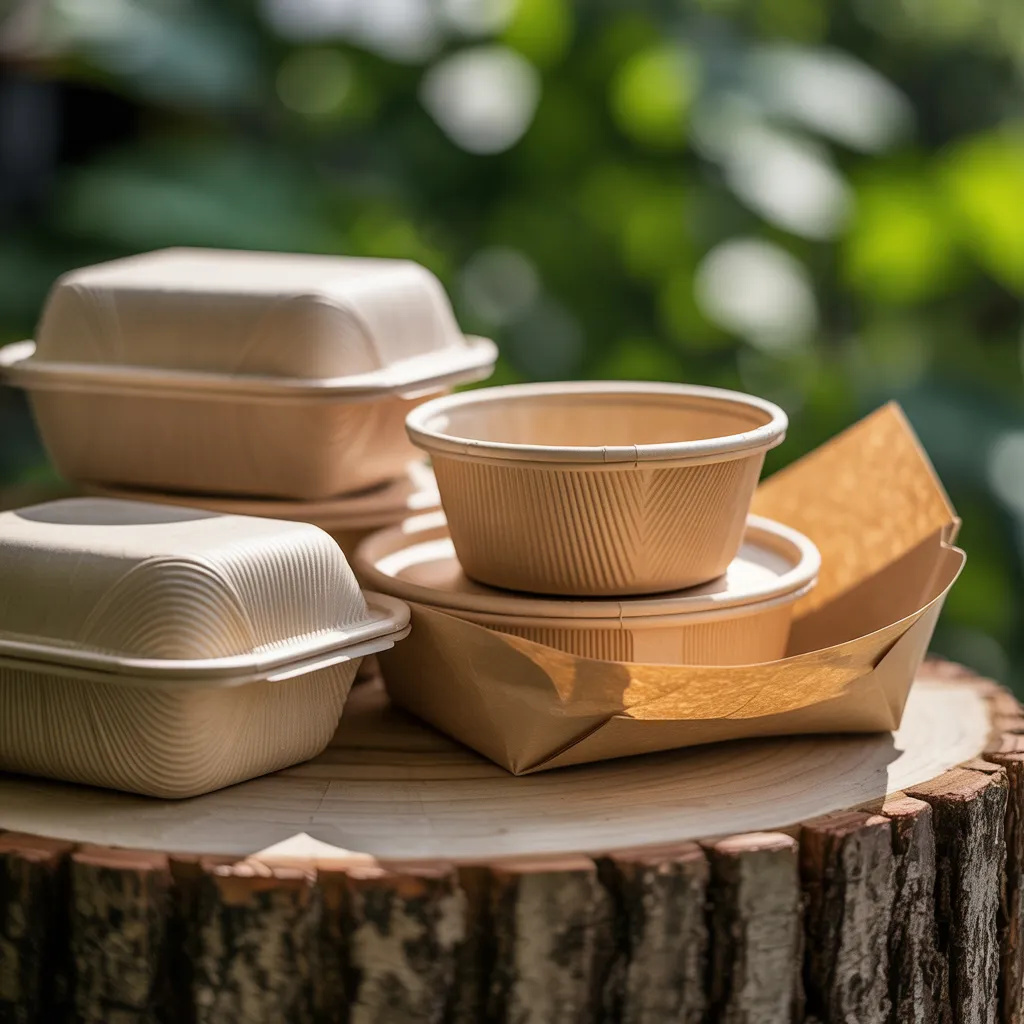
Biodegradable materials are increasingly recognized as an essential component of food packaging solutions. These materials are designed to decompose naturally, reducing waste and environmental impact compared to traditional plastics. Common biodegradable options include polylactic acid (PLA), derived from corn starch, and polyhydroxyalkanoates (PHA), produced by microbial fermentation.
These materials break down under specific conditions, such as heat and moisture, making them suitable for composting. The use of biodegradable packaging helps to address concerns about plastic pollution and the longevity of waste in landfills. Additionally, innovations in biodegradable technology enable manufacturers to create packaging that maintains food freshness while being eco-friendly.
As consumer demand for sustainable products rises, the food industry is increasingly adopting biodegradable packaging solutions, signaling a shift towards more responsible practices that prioritize environmental health without compromising quality.
Revolutionizing the way food is stored and transported, enhanced freshness monitoring systems play an essential role in modern food packaging. These innovative technologies utilize sensors and smart labels to track temperature, humidity, and gas emissions, providing real-time data on product freshness.
By continuously monitoring these conditions, they help retailers and consumers make informed decisions about food quality. This heightened awareness can greatly reduce food waste, as products are consumed while still fresh. Additionally, enhanced freshness monitoring fosters transparency in the supply chain, allowing stakeholders to guarantee ideal storage conditions throughout distribution.
As the demand for sustainable practices grows, these advancements in food packaging contribute to a more efficient and responsible food system, benefiting both consumers and the environment.
While ensuring food safety is paramount, the integration of safety alerts and notifications within packaging systems enhances consumer protection markedly. Smart packaging technologies now incorporate sensors that monitor temperature, humidity, and other environmental factors affecting food quality.
These systems provide real-time alerts to consumers, indicating when food has been compromised or is nearing its expiration date. Consequently, individuals are empowered to make informed decisions, reducing the risk of foodborne illnesses.
Additionally, such innovations can aid retailers in managing inventory more effectively, minimizing waste and ensuring that customers receive fresher products. Overall, the incorporation of safety alerts into food packaging represents a significant advancement in safeguarding public health and enhancing the overall shopping experience.
Edible packaging presents a promising solution to the growing issue of plastic waste by providing a biodegradable alternative that can be consumed rather than discarded.
This innovative approach not only minimizes environmental impact but also offers potential nutritional benefits, as some edible materials can enhance the food's overall value.
By integrating these sustainable practices, the food industry can greatly reduce its reliance on traditional packaging methods.
A considerable shift in food packaging is emerging as innovators focus on edible alternatives that greatly reduce plastic waste. These novel solutions, made from ingredients like seaweed, rice, and starch, can replace traditional plastic wrappers and containers.
By creating packaging that is not only biodegradable but also consumable, companies aim to minimize the environmental impact associated with single-use plastics. As consumer awareness of plastic pollution rises, edible packaging offers a sustainable choice that aligns with eco-conscious values.
Additionally, these innovations can enhance the overall food experience, providing flavor and texture while serving a functional purpose. As the grocery aisle evolves, edible packaging represents a promising strategy to combat plastic waste and promote environmental responsibility in the food industry.
Innovative packaging can markedly increase costs for retailers due to higher material expenses and design complexity. However, it may also enhance product appeal and sales, potentially offsetting initial investments through improved customer engagement and loyalty.
Health risks associated with new packaging materials can arise from chemical leaching, potential allergens, and inadequate testing. Consumers must remain vigilant, as some innovations may not have undergone thorough safety evaluations before market introduction.
Food can typically be stored in containers for varying durations: leftovers last 3-4 days, dry goods several months, and frozen items up to a year. Proper sealing and refrigeration greatly influence these timelines.