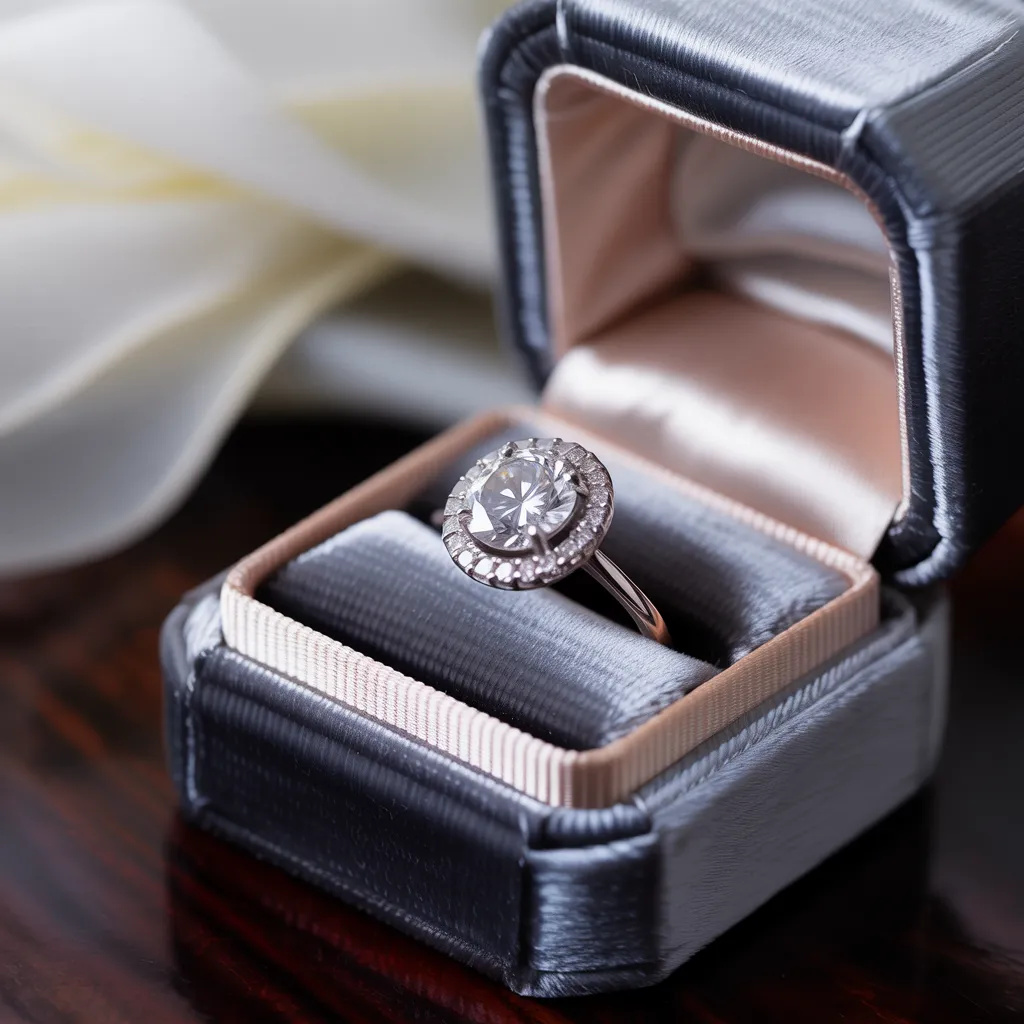
The halo ring has undergone a remarkable transformation since its inception. Initially celebrated in the Victorian Era for its romantic allure, it has adapted through various artistic movements.
Each era brought distinct characteristics, from intricate designs to bold geometric shapes. Today, the halo ring continues to evolve, reflecting modern values and preferences.
Its journey raises intriguing questions about consumer choices and design innovation in contemporary jewelry. What influences will shape its future?
Although the exact origins of the halo ring remain somewhat elusive, historical evidence suggests that this distinctive jewelry design emerged during the early 20th century. Characterized by a central gemstone surrounded by a circle of smaller diamonds, the halo ring quickly gained popularity for its ability to enhance the brilliance of the center stone. Jewelers embraced this design as advancements in cutting techniques allowed for more intricate and dazzling settings.
The Art Deco movement, flourishing in the 1920s, played a pivotal role in shaping the halo ring's aesthetic. Its geometric patterns and bold designs complemented the halo style, further embedding it in popular culture.
The halo ring also appealed to those seeking a statement piece, merging elegance with an air of romance. As the decades progressed, this design became a favored choice for engagement rings, symbolizing both love and commitment, solidifying its enduring legacy in the world of fine jewelry.
The Victorian era, spanning from 1837 to 1901, marked a significant period in jewelry design, characterized by romantic elegance and intricate craftsmanship. During this time, halo rings emerged as a popular choice, often featuring a central gemstone encircled by smaller diamonds or colored stones, enhancing their brilliance and visual appeal. The settings were typically made of gold or silver, showcasing elaborate engravings and filigree work that reflected the era's attention to detail.
Victorian halo rings frequently incorporated symbolism, with motifs such as hearts, flowers, and bows, representing love and devotion. The use of colored gemstones, like sapphires and emeralds, became prominent, allowing for personalization that resonated with the wearer's emotions.
As advancements in technology allowed for better stone cutting and setting techniques, these rings exemplified the era's artistic spirit, marrying beauty with sentimentality, making them cherished heirlooms that continue to inspire contemporary designs.
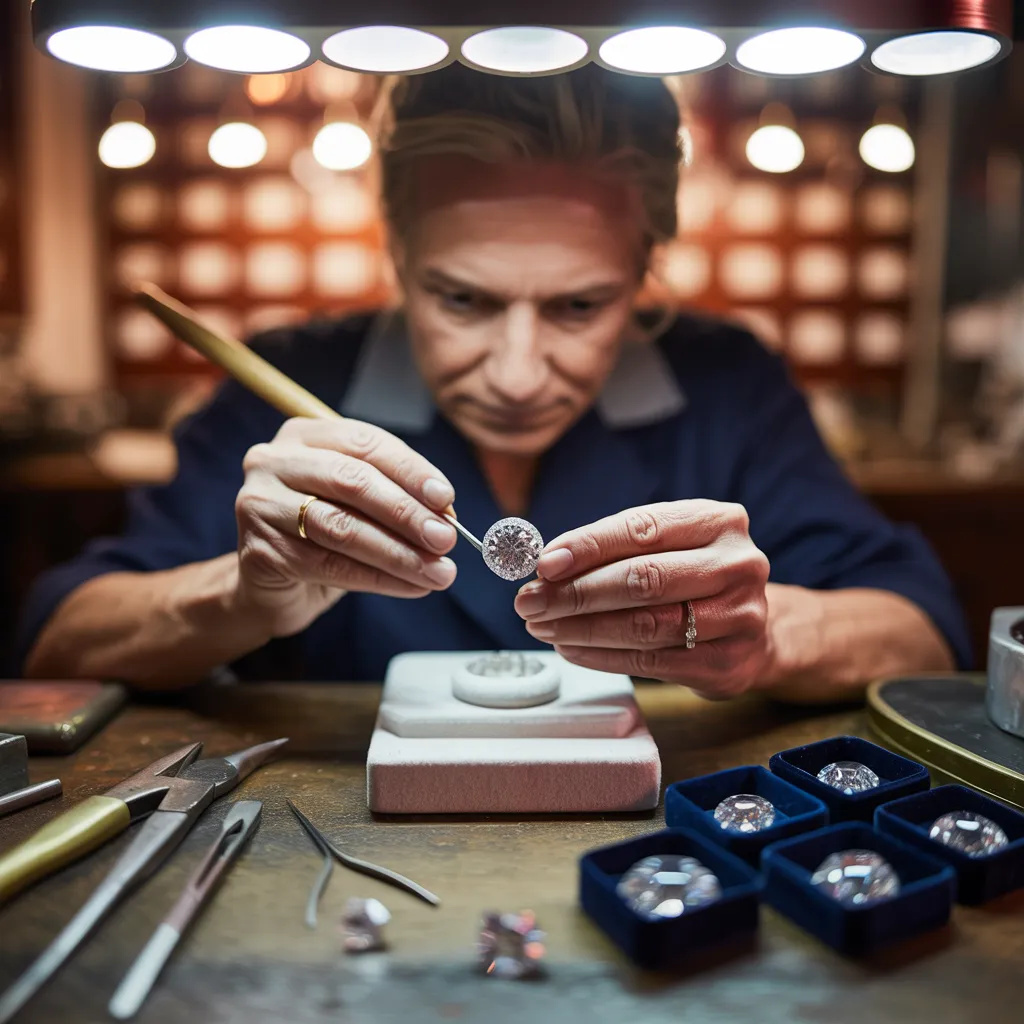
Glamour defined the Art Deco movement, which flourished in the 1920s and 1930s, bringing a bold and modern aesthetic to jewelry design, including halo rings. Characterized by geometric patterns, vibrant colors, and luxurious materials, Art Deco represented a departure from the intricate designs of previous eras.
Halo rings during this period embraced these elements, often featuring a central gemstone surrounded by a striking arrangement of smaller stones, enhancing the overall visual impact.
The use of platinum and gold in Art Deco jewelry allowed for intricate craftsmanship, with clean lines and symmetry that highlighted the geometric motifs. Diamonds, emeralds, and sapphires were commonly employed, creating a dazzling effect that resonated with the era's opulence. Additionally, the influence of modern technology and industrial design contributed to the innovative approaches seen in halo ring styles. This period marked a pivotal moment in jewelry history, where glamour and geometry coalesced to create timeless pieces.
Mid-Century Modern design marked a significant shift in aesthetics, characterized by clean lines and organic forms.
Influential designers such as Charles and Ray Eames brought new materials and techniques to the forefront, reshaping the landscape of functional art.
This era's innovative approach not only defined its unique style but also influenced the creation of halo rings, merging timeless elegance with modern simplicity.
A pivotal movement in design emerged during the mid-20th century, characterized by its emphasis on simplicity and functionality. Influential designers such as Charles and Ray Eames, George Nelson, and Isamu Noguchi led the charge, introducing innovative concepts that blended art with everyday objects.
Their works often featured clean lines, organic shapes, and an integration of form and purpose. This design philosophy transcended traditional aesthetics, promoting a more democratic approach to everyday items, including jewelry.
The halo ring, with its minimalist elegance, became a symbol of this era, reflecting the ideals of balance and harmony. As these designers embraced new materials and manufacturing techniques, they set the stage for future innovations, leaving a lasting impact on the world of design.
The evolution of design during the mid-20th century also brought a focus on innovative materials and techniques that transformed the creation of objects, including jewelry. The use of materials such as acrylic, aluminum, and bold gemstones became prevalent, allowing designers to experiment with form and color.
Techniques like enameling and casting were refined, enabling intricate designs that highlighted the craftsmanship of the era. This period saw the introduction of minimalist aesthetics, emphasizing clean lines and geometric shapes, which contrasted sharply with the ornate styles of previous decades.
Iconic halo rings emerged, showcasing a central stone encircled by smaller gems, often set in unique configurations. These advancements not only shaped the halo ring's design but also influenced broader trends in contemporary jewelry.
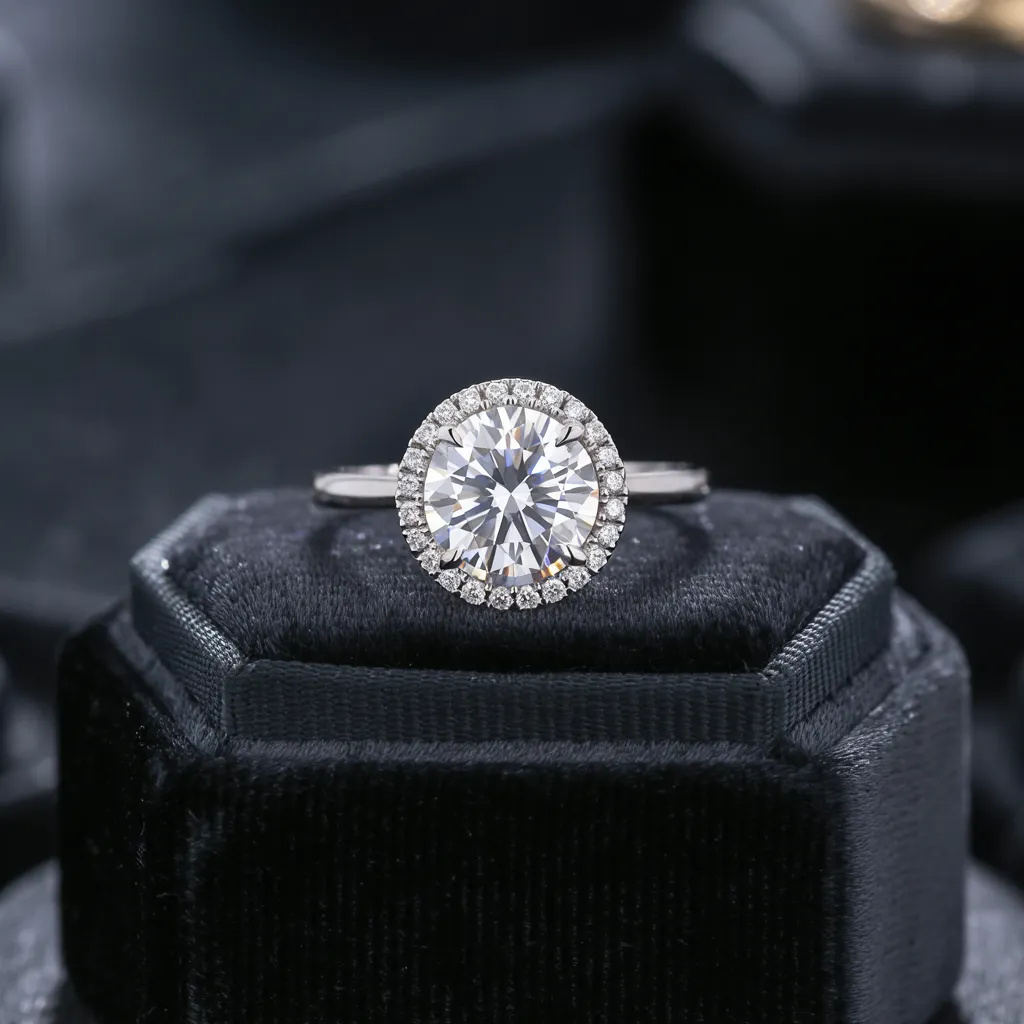
To insure a halo ring, one should obtain an appraisal from a certified gemologist, then contact an insurance provider to discuss coverage options, ensuring the policy adequately protects the rings value and potential loss.
Wearing a halo ring while swimming is generally not recommended. Chlorine and saltwater can damage the metal and stones, potentially leading to scratches or loosening of the settings, compromising the rings overall integrity and appearance.
The most popular stone shapes for halo rings include round, oval, and pear, while solitaire rings mainly feature classic round cuts. Both styles highlight brilliance, but the choice ultimately reflects personal preferences and aesthetic desires.